Product roadmap

Electro-Voice innovation for faster audio decisions in real venues

This roadmap centers the practical tools that help audio teams move from model search to deployable system: smarter portable PA choices, array planning, monitor control, subwoofer integration, and dealer-ready project data.

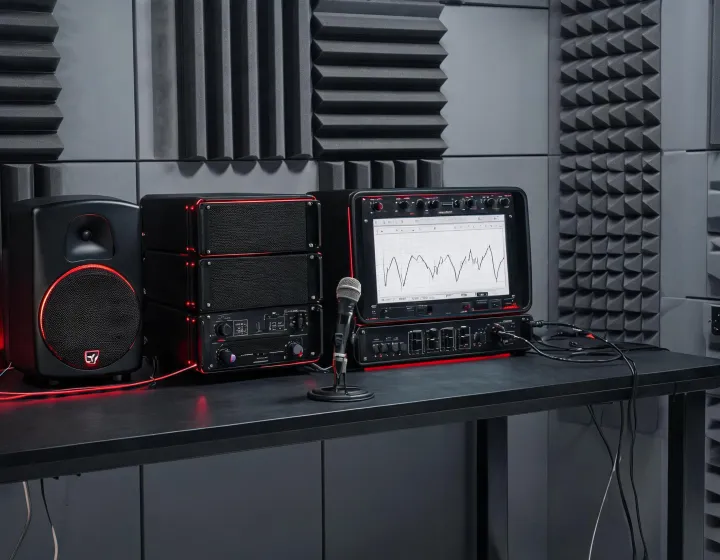
Electro-Voice audio innovation bench with loudspeaker DSP interface
Roadmap

Five development lanes behind better Electro-Voice system briefs

Now

Portable PA matching

Small venues and mobile crews need a cleaner path between powered loudspeakers, column systems, subwoofer options, and monitor positions. The first lane focuses on use-case language that makes compact PA choices easier to compare.

Next

Array and fill planning

Installed rooms benefit when early planning captures throw distance, balcony geometry, and front-fill timing. Roadmap content turns those details into a repeatable intake structure for integrators and dealer teams.

Then

Subwoofer behavior notes

Low-frequency decisions are often discussed too late. This lane records placement goals, program material, stage isolation needs, and extension targets so subwoofer selection becomes part of the first design pass.

Ongoing

Monitor workflows

Performer comfort affects the show before the audience hears a note. Monitor guidance covers wedge angle, vocal clarity, spill control, and how the mix position communicates with the stage during fast rehearsals.

Always

Dealer-ready data

Model names alone do not route support well. Better project data includes schedule, room type, operating team, accessory needs, and whether the system is fixed, mobile, or expected to expand later.

Technology showcase

Innovation signals that matter to production and install teams

15 min

Faster intake

A structured brief can capture room, program, loudspeaker category, and support path without forcing buyers into a long engineering worksheet.

4 lanes

Coverage thinking

Mains, fills, subs, and monitors are documented as connected decisions so the system stays coherent when a venue adds zones.

2 modes

Portable or installed

The same product family may serve a rental package or fixed room, but deployment language changes the accessory and support conversation.

Engineering trade-offs we keep on the table

Forward engineering means naming the cost of every gain, not just the gain

Electro-Voice roadmap thinking is built on transducer and waveguide behavior, so the honest version of innovation is admitting where one choice taxes another. These are the tensions the roadmap is meant to make visible early.

Waveguide directivity vs. on-axis smoothness

A horn or waveguide that holds a tight, consistent coverage pattern down low keeps energy off side walls and ceilings, which protects intelligibility in reverberant rooms. The trade is that aggressive pattern control can complicate the on-axis response and demands more DSP shaping. A wide, gentle waveguide measures sweeter on-axis but spills more reflection into the room. The right call depends on whether the venue's enemy is reverberation or raw tonal polish.

DSP-forward processing vs. minimal signal path

Onboard DSP gives application presets, limiting, and array shading that shorten tuning and protect drivers, which is why portable and install lanes lean into it. But every processing block adds latency and an opinion baked into the box. Engineers who want a transparent, measure-and-decide path sometimes prefer a leaner signal chain. The roadmap keeps both philosophies legible instead of pretending more processing is always better.

Maximum SPL vs. low-frequency fidelity

Tuning a subwoofer or full-range box for headline output and tuning it for tight, accurate low end pull in different directions. Ported alignments and hard limiting buy loudness; sealed alignments and conservative drive buy transient control. A dance floor and a cinema dialogue scene are not asking the transducer for the same thing, and the brief should say which one wins.

What the roadmap will not claim

No loudspeaker innovation removes physics. Continuous output is still bounded by voice-coil heat and power compression on long programs. Coverage is set mechanically by the box and cannot be EQ'd into seats the pattern never reaches. Lower tuning frequency and larger displacement cost enclosure size and weight. Naming these limits up front is what separates an engineering roadmap from a marketing one.

Partner path

Who uses the roadmap language

Integrators

Translate room measurements, mounting constraints, and commissioning goals into system recommendations that can be quoted and installed.

Dealers

Route product availability, accessories, alternatives, and after-sale support with enough context to avoid mismatched packages.

Production crews

Define portable show packs, monitor needs, and subwoofer plans before the day becomes a scramble.

Facility teams

Document operating needs, training expectations, and expansion plans so the audio system can be maintained after handoff.

5roadmap lanes
4project roles
3system contexts
1dealer-ready brief

Use the Electro-Voice roadmap to frame your next audio upgrade

Share the room, schedule, operating team, and product category. The response can focus on the next technical decision instead of circling around broad model lists.

Request an Innovation Brief